The state of our oceans is alarming. Overfishing, pollution, and habitat destruction are wreaking havoc on marine ecosystems. However, there is a tool that is helping to mitigate these issues – Marine Protected Areas (MPAs). MPAs are a crucial, often underappreciated part of ocean conservation, acting as “safe zones” where human activities are restricted to allow ecosystems to recover and thrive. Let us dive into why MPAs are so important, why we monitor them, and how they can help safeguard our oceans for future generations.
What are MPAs?
Marine Protected Areas are regions of the ocean set aside to conserve marine life and habitats by limiting or prohibiting activities like fishing and drilling. They are like national parks, but for the sea, designed to protect vulnerable species and ecosystems from the growing impact of human activities. MPAs come in various forms – from fully protected zones with no human interference to areas with restricted activity to ensure sustainable use.
Why do we need MPAs?
It is no secret that our oceans are in trouble. Overfishing has depleted fish stocks worldwide, and pollution has created dead zones where life can no longer thrive. 64.5 percent of all fishery stocks are exploited within biologically sustainable levels, with 35.5 percent of stocks classified as overfished, according to FAO. And, it is not just about fish, entire ecosystems are under pressure, from coral reefs to mangroves, and this is where MPAs come into play.
Marine ecosystems are essential to fighting climate change. Oceans absorb about 30% of global CO2 emissions, and healthy marine habitats play a key role in mitigating the impacts of climate change. By creating protected areas, we help these ecosystems recover, allowing them to maintain biodiversity and sequester carbon, which reduces the overall amount of CO₂ in the atmosphere.
The benefits of marine protected areas
1. Biodiversity conservation
MPAs provide a refuge for marine species, some of which are on the brink of extinction. In protected areas, these species can recover and repopulate. Healthy, diverse ecosystems are more resilient to environmental changes, including those caused by climate change.
2. Restoring ecosystems
MPAs give coral reefs, mangroves, and seagrasses the space to recover from overfishing and pollution. Restoring these habitats not only benefits marine life but also enhances the ocean’s capacity to store carbon. According to various sources, MPAs can increase biomass (the total amount of marine life) by as much as 670%, providing a significant boost to marine ecosystems.
3. Fisheries recovery
One of the most compelling benefits of MPAs is the spillover effect. Fish populations within MPAs increase, and some of these fish spill over into surrounding areas, replenishing fish stocks for local fisheries. Sustainable fishing practices and MPA networks can help reverse overfishing trends, which is critical for coastal communities that rely on fishing for their livelihoods.
Types of MPAs
There are different types of Marine Protected Areas depending on the level of protection:
- Fully Protected MPAs: No human activities are allowed. An example is the Chagos Archipelago in the Indian Ocean.
- Partially Protected MPAs: Some activities, like fishing or tourism, are allowed but under strict regulations, as seen in the UK’s Blue Belt Programme.
How MPAs help fight climate change
One of the most overlooked aspects of MPAs is their role in combating climate change. Certain marine habitats, such as seagrass meadows, mangroves, and salt marshes, are known as “blue carbon” ecosystems because they store large amounts of CO2. Seagrass meadows can store up to 83,000 metric tons of CO2 per square kilometre. Meanwhile, mangrove forests punch far above their size: though they line only a fraction of global coastlines, mangrove soils store more than 6.4 billion tons of carbon globally and support an annual abundance of over 700 billion juvenile fish and invertebrates. By protecting these habitats within MPAs, we enhance the ocean’s ability to act as a carbon sink, which is critical in reducing global greenhouse gas levels.
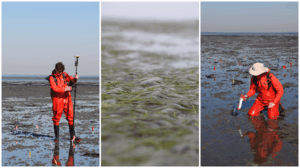
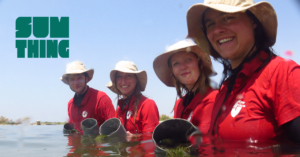
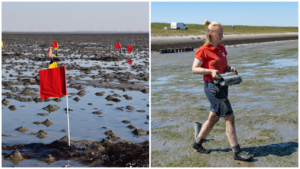
Sea Ranger Service is involved in active seagrass restoration in the Eastern Scheldt in The Netherlands and the Bay of Arcachon in France. Additional seed collection work and monitoring takes place in Denmark, Germany, Spain and the UK. As a co-founder of the Seagrass Consortium, the Sea Ranger Service is actively involved in large-scale seagrass restoration across Europe.
Challenges facing MPAs
Despite the numerous benefits, MPAs are not without challenges. Enforcement is often one of the biggest issues, illegal fishing and other human activities go unchecked in areas that lack adequate resources for monitoring. Political conflicts over ocean territories also pose a barrier to establishing more MPAs. And, while MPAs can make ecosystems more resilient, legislation without enforcement cannot single-handedly stop the ocean from warming or becoming more acidic due to climate change.
Youth and the role of the Sea Rangers Service
MPAs are safeguarded by law, but one of the biggest challenges they face is enforcement. Rules only work when they’re monitored, and many MPAs simply don’t have the capacity for regular presence at sea.
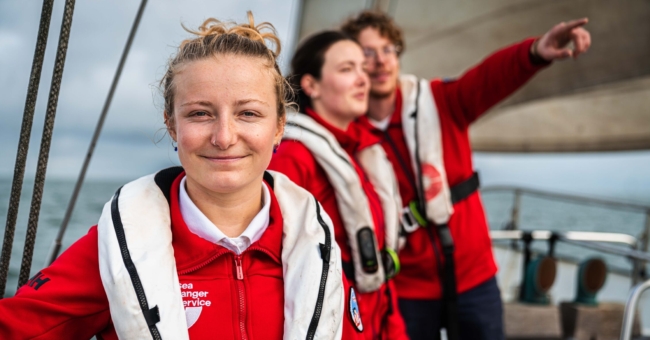
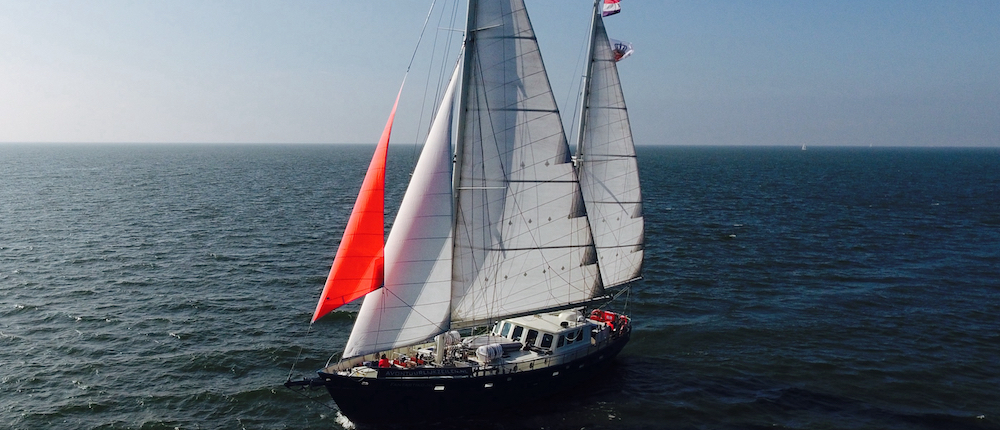
That’s where the Sea Rangers Service plays an important role. Our teams provide “boots on the water” by conducting offshore monitoring inside MPAs. Using our sailing vessels, we carry out patrols that have a far lower environmental impact than conventional motorised ships. During
these missions, the Sea Rangers act as a visible presence in the area, helping deter illegal activities such as unauthorised fishing or disturbance of sensitive habitats.
These monitoring activities strengthen the protection of MPAs by supporting enforcement agencies with observations, data, and early signals from the field.

Success stories of MPAs
There are numerous examples of MPAs making a real difference. Papahānaumokuākea Marine National Monument in Hawaii, one of the largest MPAs in the world, has helped protect an incredible range of biodiversity, including endangered species. Spanning the waters from Nihoa to beyond Midway Atoll, this area supports more than 7,000 species: from 22 seabird species and 24 types of whales to at least a dozen shark species, several commercially valuable tuna species, five endangered sea turtle species, and the monk seal. Remarkably, around a quarter of all species found here exist nowhere else on the planet.
Protected areas like this demonstrate the richness marine ecosystems can sustain when given the chance. But protection alone is not always enough, many habitats also need active restoration. In the Netherlands, our seagrass restoration work in the Eastern Scheldt is a significant step toward our broader mission to restore 1 million hectares of biodiversity.
The upshot: MPAs are a key part of ocean conservation
MPAs are vital in the battle to protect our oceans. From preserving biodiversity to mitigating the effects of climate change, MPAs provide a lifeline for the future of marine ecosystems. By supporting these protected areas, we can all play a part in ensuring that our oceans remain healthy and vibrant for generations to come.
How you can help
You can support Sea Ranger Service’s mission to restore seagrass in Eastern Scheldt via Sumthing, the platform that allows you to sponsor Sea Ranger’s seagrass restoration work.