Sea Ranger Service is improving access to marine careers in South Wales through its work with the Welsh Government’s Local Places for Nature: Marine Resilience Challenge Fund. The grant has been facilitated by Neath Port Talbot Local Nature Partnership and is helping Sea Ranger Service build a more locally grounded approach to training, skills development and career progression for young people in Wales.
Through the project, the Sea Ranger Service is adapting and developing training programmes that reflect the Welsh marine environment and labour market, while working closely with government, employers and other partners to map out clearer pathways into blue economy careers. The aim is to help young people build sustainable futures in sectors that support both marine resilience and coastal communities.
Building practical pathways into marine careers
The project focuses on three key areas.
The first is building blue economy career pathways by developing structured progression routes and strengthening employer engagement, helping young people in South Wales access the skills, training and opportunities needed for careers in the blue economy and marine conservation.
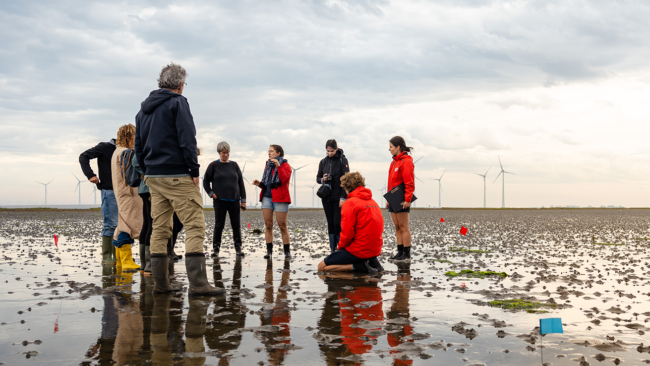
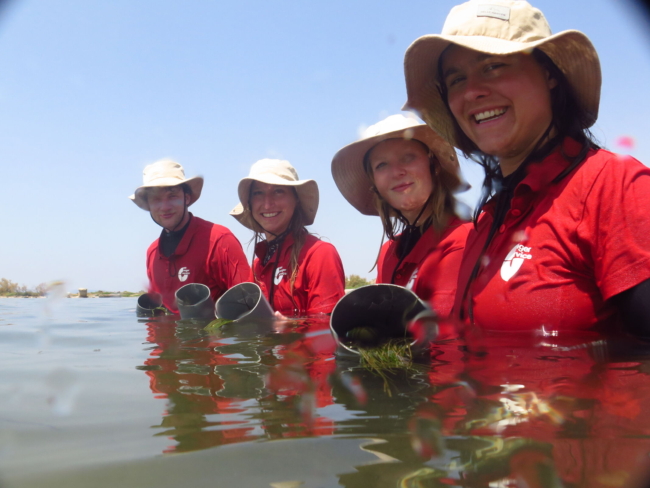
The second is adapting the Sea Ranger coastal restoration curriculum by developing accredited coastal restoration modules for fieldwork Sea Ranger training, embedding Welsh knowledge and building local capacity for marine resilience and habitat restoration.
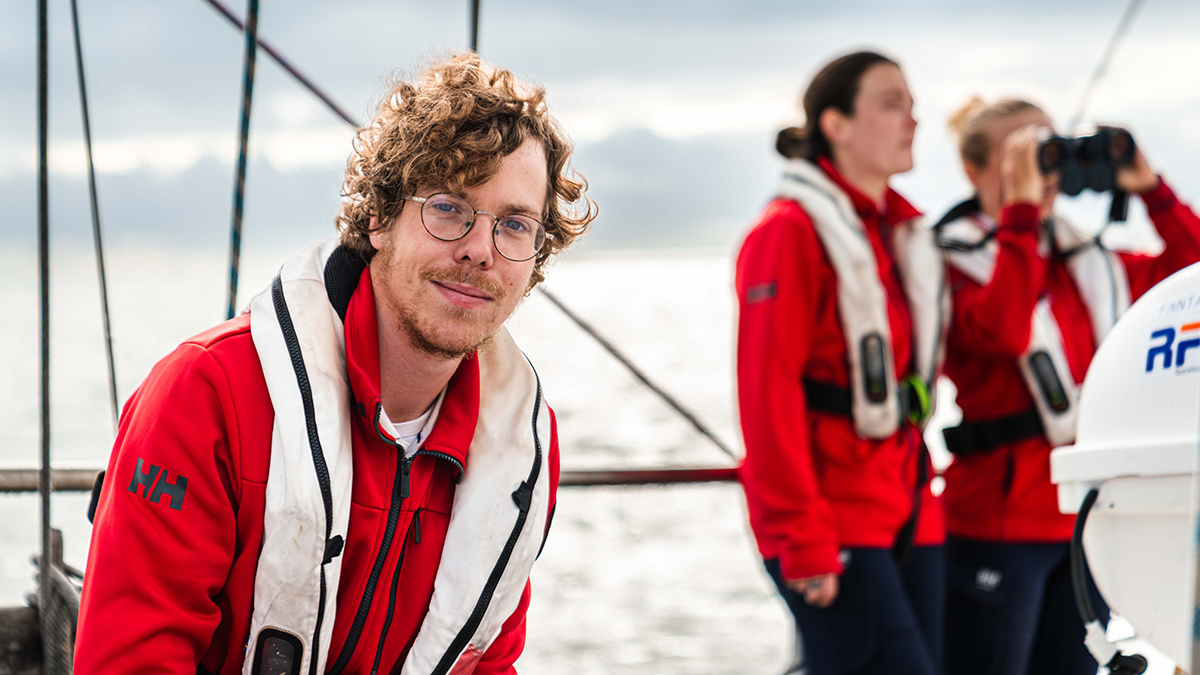
The third is developing the Sea Ranger offshore environmental curriculum by expanding Sea Ranger training with offshore ecology modules, integrating local marine sector needs and co-design workshops.
At its core, the project is about opening doors for young people by making marine careers more visible, more accessible and better connected to real opportunities.
Investing in people and ecosystems
For the Sea Ranger Service, marine resilience is not only about restoring habitats and strengthening coastal environments. It is also about supporting the next generation with the tools, knowledge and pathways needed to take part in that work.
As Wietse van der Werf, Founder, CEO of the Sea Ranger Service, explains:
“Building marine resilience is not only about restoring ecosystems and strengthening coastal areas, it is also about investing in people. With this project, we are updating the Sea Ranger curriculum to better prepare young people for the future of the blue economy, while working with partners to remove the barriers that too often keep talent on the sidelines. We want to help create clear, practical pathways into meaningful maritime careers that support both nature and society.”
Bringing the sector together in South Wales
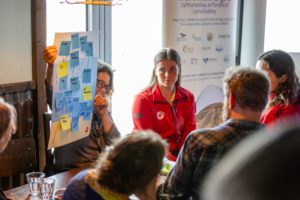
As part of the project, the Sea Ranger Service recently hosted a collaborative event in Swansea, bringing together around 30 representatives from local government, employers and other stakeholders to explore how blue economy career pathways can be strengthened in practice.
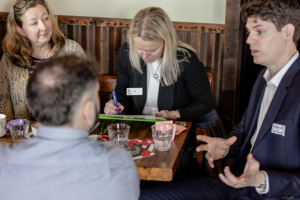
The session included discussions on roles across sectors including marine conservation, offshore wind and seafaring professions, with participants examining the skills, training and education required for different career routes. The event also created space for participants to identify barriers facing young people when entering these sectors and to consider what support is needed to make these careers more accessible.
Sea Rangers Naomi Roesner and Danielle Bishop shared their experiences of unemployment and the challenges of finding a route into the blue economy, helping ground the discussion in lived experience.
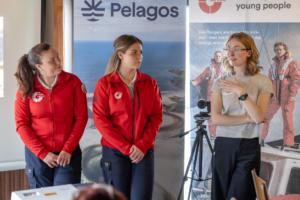
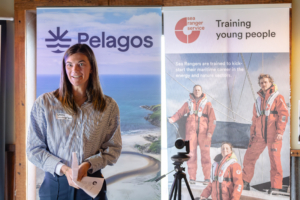
As Sanne Boekhoff, Head of People at Sea Ranger Service, said:
“It is one thing to talk about the blue economy, but at our recent event, we brought together an inspiring cross-section of the sector, from local government to employers, to explore what jobs in this field actually look like in practice. When so many different voices come together and listen to the lived experiences of young people, it becomes possible to shape career pathways that are genuinely accessible.”
Laying the foundations for long-term impact
By combining curriculum development with cross-sector collaboration, the Sea Ranger Service and the local authorities are helping lay the foundations for a stronger marine workforce in Wales. This work supports ecological restoration, builds ocean literacy and creates more accessible routes into meaningful employment. Most importantly, it helps ensure that young people are not left on the sidelines of the blue economy, but are equipped to play an active role in its future.