As nonprofits and impact organisations, we spend a great deal of our time worrying about how to best measure our impact. We track outputs, analyse the outcomes they’re leading to and report on it. For some of our investors, the measured impact even determines how much annual interest we pay on outstanding loans.
Simply saying you are making a difference is not enough. Rightly so, it needs to be evidenced. Proof becomes the justification for why people support your organisation and the growth of the mission. Impact is the yardstick of success. Or is it?
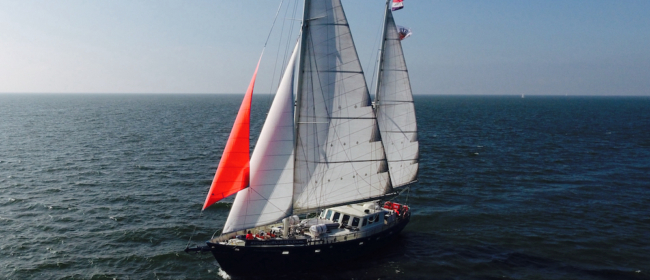
Six weeks ago we achieved what I could only ever dream of, for the work of our Sea Rangers to be featured by TIME and reach a global audience. The response was swift. We saw comments pouring in from people, an increase in LinkedIn connection requests and messages of congratulations from supporters that have made our work possible. Word of the Sea Rangers was going the world over.
The direct WhatsApp messages came from some of our closest and early backers. ‘I knew you’d eventually get there. Your persistence paid off.’ read one. ‘Congrats on making the mission work, really inspiring.’ read another. ‘You made it!’ The tone was congratulatory but the messages also unanimously concluded that we had now reached a milestone, marking our work an official success.
Over the years, building the Sea Ranger Service was in part driven by a desire to seek external validation of our approach, which was very out-of-the-box. We did things differently and were eager to prove how we can use business as a force for good.
Right from the beginning, prominent and even unlikely partners gave us necessary visibility and legitimacy. IKEA produced a video on our approach that gained attention, as did apparel brand Helly Hansen. The Crown Estate partnered with us. These affiliations drew subsequent interest from potential clients, partners and funders. It’s what made it all possible and gave us credibility through their affiliation. Getting featured in TIME was another big opportunity.
But the response from our supporters revealed an uncomfortable truth. That despite the message, the medium is everything. Just over a year ago we published a comprehensive impact report on our results to date. We promoted it through social media, included it in our newsletters, got partners to share it, handed out printed editions at events and reported the publication to funders. The response was positive but much more muted.
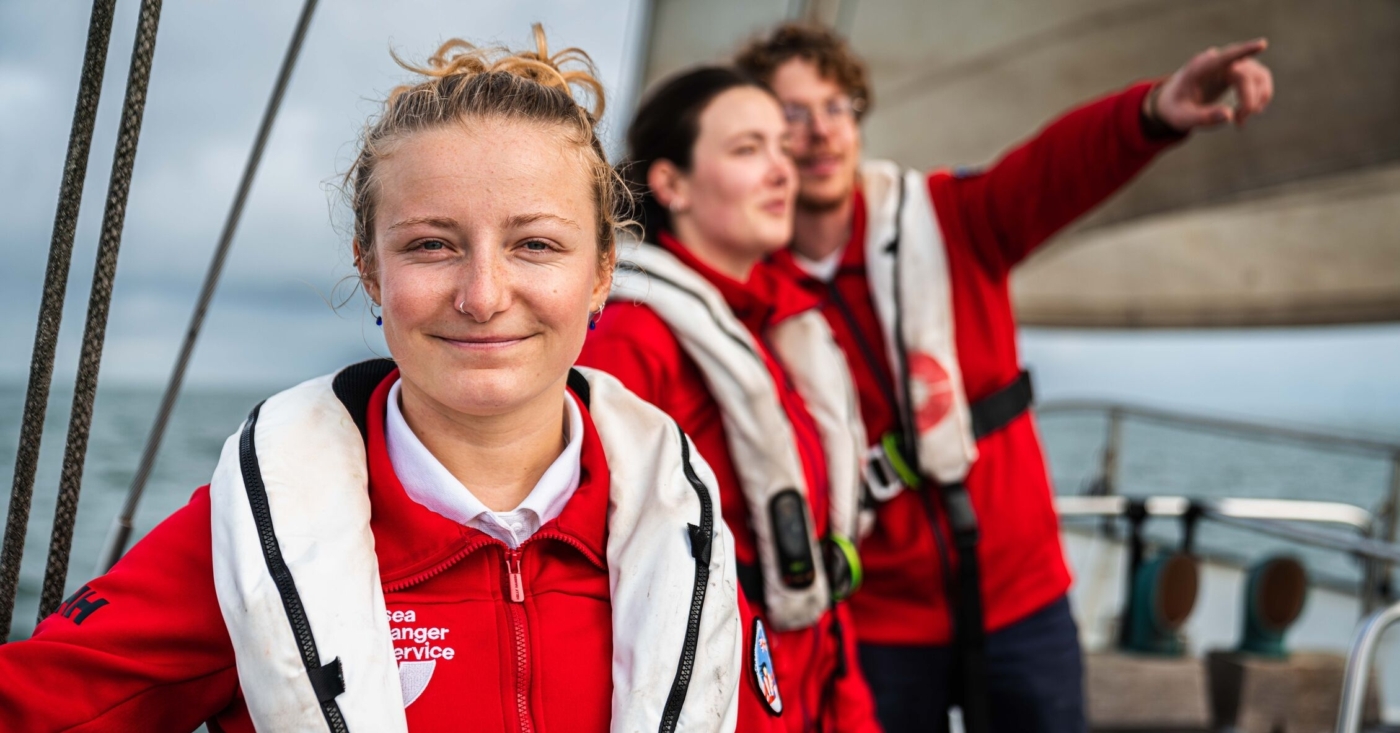
TIME is iconic and as a media bulwark, has global reach. Writer Richard Morgan embedded himself in our work. He spent time with Sea Rangers in the field, on the ships and joined our ship’s christening last year. He spoke with many of our stakeholders, from navy officials, investor leads and government officers, to our young participants as they braved our bootcamps for the chance of becoming a Sea Ranger.
Still, it struck me that the TIME piece signalled to some that we had ‘made it’, even though we already had measured success in the years before. The impact was there but to translate that into recognition required a vessel like TIME to carry it. Lacking a serious marketing budget, we were lucky to meet Richard, get TIME’s buy-in and the exposure, to tell our story in a meaningful way.
In the environmental movement this is an age-old contradiction. Some very impactful organisations struggling to attract the attention, traction and coverage they deserve, whilst some of the largest environmental NGOs have the marketing budgets to get a strong public following, even though their impact may proportionally be more limited.
Just because an organisation is better known, that doesn’t necessarily make it more effective or impactful, or more worthy of your support. You are just more likely to have heard of them. Working on positive change, one ultimately has two jobs: making an impact on the ground and talking about it to the world. It’s a necessary part of gaining reach and driving awareness, now more than ever.
What stands is that visibility requires access to the media and in some cases requires money, which structurally disadvantages those doing good work with limited resources. As impact leaders we can encourage and support each other in finding our voices, learn how to build effective media networks and simply pitch better stories that get picked up. After all, in working towards a better future, we have some of the best stories to tell. How those get seen and heard by the world may be one of the environmental movement’s biggest challenges yet.