Seagrass meadows are among the most valuable ecosystems in our seas. They store carbon, stabilise sediments, improve water quality, and provide shelter and nursery grounds for countless marine species. Yet, across Europe, these underwater landscapes have declined dramatically over the past century. Restoring them is slow, complex, and labour-intensive work, but it is work that delivers lasting impact.
This year, the Sea Ranger Service reached several important milestones in seagrass restoration, combining hands-on fieldwork, international collaboration, and scientific experimentation.
From seeds to living meadows
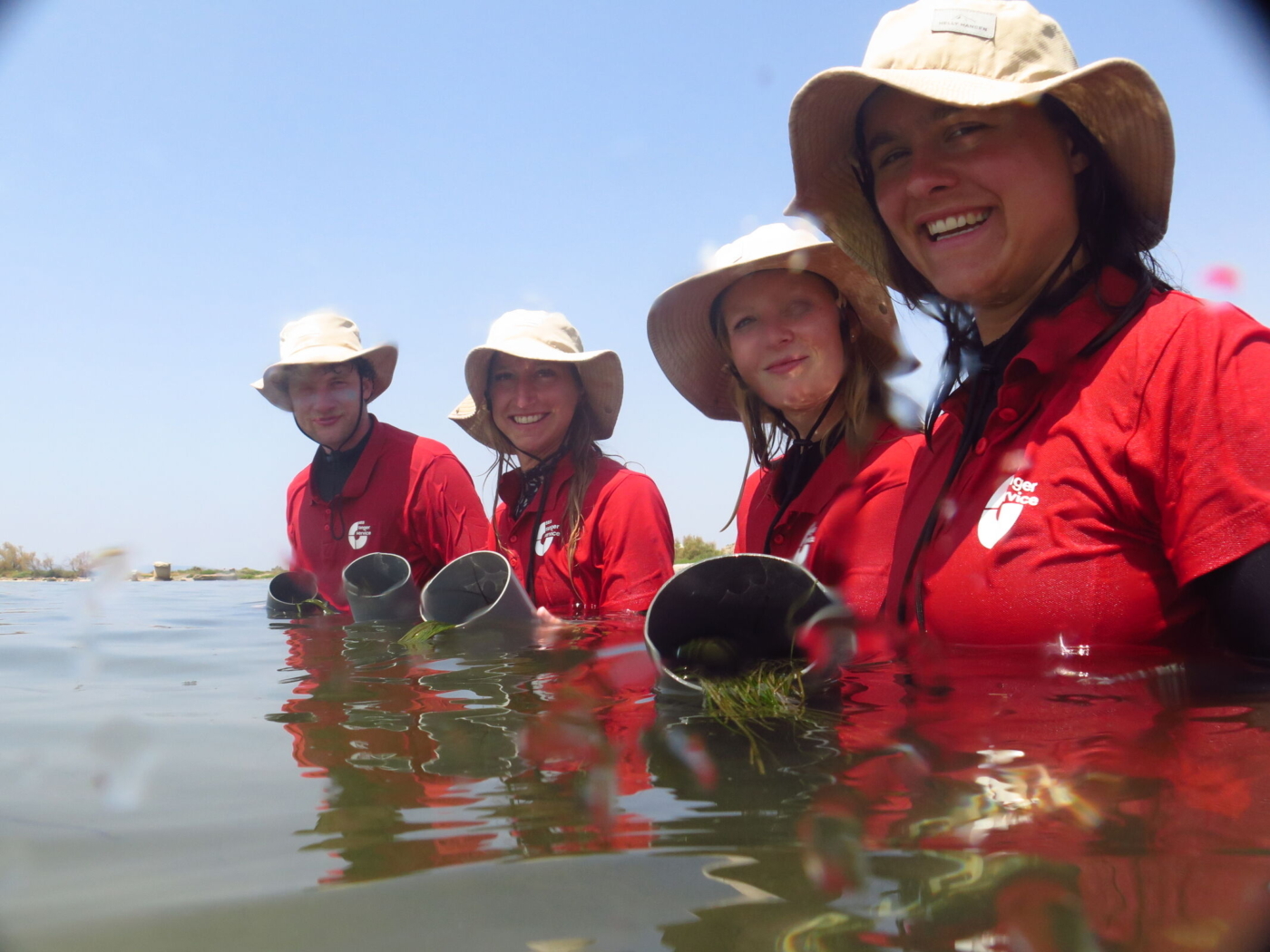
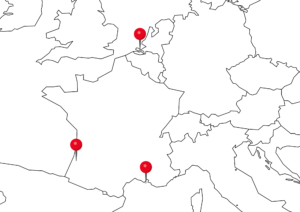
Over the past year, 11,679 seagrass cores were carefully transplanted with the support of Dutch, UK, and alumni Sea Rangers, amounting to 20,686 cores overall since 2023. These cores stabilise the seabed, and expand naturally over time. These have been planted at 20 different restoration sites (Eastern Scheldt, the Netherlands – 3 sites, Bay of Arcachon, France – 13 sites, and Étang de Berre, France – 4 sites).
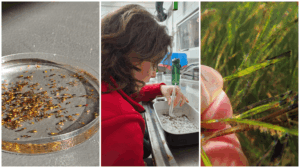
Seed-based restoration also played a crucial role. Sea Rangers collected 196,900 seagrass seeds across five different countries, supporting genetic diversity and strengthening restoration efforts across borders. Each seed collected is a small investment in long-term ecosystem recovery.
A living laboratory in the Eastern Scheldt, the Netherlands
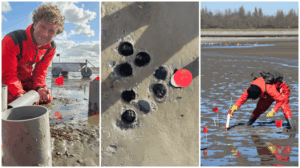
In the Eastern Scheldt, seagrass restoration has become a hub of collaboration. At a single location, six different restoration methods are being tested side by side to see what works best. This shared site highlights the collective effort of the Seagrass Consortium, bringing together practitioners and researchers to compare methods, learn faster, and improve restoration outcomes.
Monitoring at scale
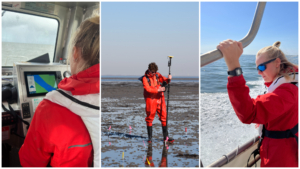
Planting seagrass is only part of the challenge. Understanding how the transplants and seedlings develop over time requires consistent, long-term monitoring. Only then can we understand the suitability of the sites and methods.
To meet this challenge, new monitoring approaches are being explored alongside traditional methods. Technologies such as drones and autonomous underwater vehicles (AUVs) are being investigated to support large-scale monitoring, offering new ways to track growth, density, and resilience more efficiently in the future.
Bringing the public closer to restoration
Seagrass restoration is no longer something that happens out of sight. Through Sumthing, the public can now interact more directly with the work, supporting restoration efforts and following progress from seed collection to meadow recovery. It is a step toward making large-scale nature restoration more tangible and shared.

Seagrass restoration is measured in seasons rather than weeks, and in ecosystems rather than single sites. These milestones reflect steady progress built on teamwork, science, and persistence. As monitoring continues and restoration areas mature, the impact of this work will keep growing – beneath the surface and far beyond it.